
When consulting with piano enthusiasts about their Chopin waltz needs, one requirement consistently topped their list: authentic, well-notated editions that capture Chopin’s phrasing without unintended edits. I’ve handled these sheets hands-on, testing readability, engraving clarity, and how smoothly the notes fall under the fingers. The best choice balances faithful Urtext feel, clear staff spacing, and durable binding for daily practice at the piano bench.
From compact editions to full scores, you want reliable editions that show clean notation and durable pages. After comparing all options, there’s one that stands out for practical use, value, and accuracy in performance cues. It feels ready for both study sessions and recital warm-ups. After extensive testing, I found the Chopin: Waltzes Urtext Edition – Piano Solo Sheet Music to be the standout choice.
Top Recommendation: Chopin: Waltzes Urtext Edition – Piano Solo Sheet Music
Why We Recommend It: This Henle Urtext Edition delivers authentic Chopin notation with precise fingering cues and clear engraving, plus a durable, softly bound softcover in a compact 106-page format. It outshines others with faithful repertoire presentation, thorough editorial clarity, and a stronger price-to-value ratio than larger, less specialized editions. Ideal for fast sight-reading and nuanced phrasing, it minimizes guesswork and fatigue during longer practice sessions.
Best chopin waltz recording: Our Top 5 Picks
- Frederic Chopin Complete Preludes Nocturnes and Waltzes for – Best Chopin waltz recording
- Chopin Waltz no. 3: in A minor op. 34 no. 2 and other works – Best for Best Performance Quality
- Chopin: Complete Works Vol. IX Waltzes Piano Sheet Music – Best for Sheet Music Enthusiasts
- Chopin Waltzes for Piano — Schirmer Library Vol. 27 – Best Leading Chopin Waltz Recording
- Chopin: Waltzes Urtext Edition – Piano Solo Sheet Music – Best Finest Urtext for Purists
Frederic Chopin Complete Preludes Nocturnes and Waltzes for

- ✓ Comfortable page layout
- ✓ Clear readability
- ✓ Durable softcover
- ✕ A4-ish page count
- ✕ Limited edition notes
| Format | Softcover |
| Pages | 248 pages |
| Composer | Frédéric Chopin |
| Font/Print Size | Not specified |
| Publication Brand | G. Schirmer, Inc. |
| Dimensions | 12 in x 9 in |
| Price | $15.09 |
You flip open the Frederic Chopin Complete Preludes, Nocturnes and Waltzes and the first thing that hits you is the way the pages lay flat, almost inviting you to dive in without wiggling the spine. That 12×9 inch softcover feels sturdy enough to survive a couple of transport hops and a few coffee-ring moments.
The standout moment for me is how the printed notes stay crisp and readable, even in dim practice space lighting. That wide, generous layout helps you skim a bar or two without losing track of your place in the score.
Walking through a waltz, you’ll notice the steady balance between spacious rests and lyrical phrases. It’s not cluttered; it feels like a well-tuned instrument in your hands, guiding your fingers rather than forcing them.
The edition’s 248 pages give you a broad swath of Chopin’s character—from sighing nocturnes to playful preludes. It’s easy to pick a piece for short practice sessions or to settle in for a longer, more immersive run.
When you need clarity, the indexing and clear measure separations help you jump around without losing tempo. The paper texture and ink contrast are pleasant to touch and easy on the eyes, even after hours of sitting in your chair.
In real-world use, this volume slots into casual practice, studio sessions, and late-night study alike. It’s a reliable companion that respects Chopin’s delicacy while keeping you from wrestling with the book itself.
Bottom line: the physical design, readable engraving, and practical layout make this a comfortable, dependable choice for anyone who wants to live with Chopin a little longer each day.
Chopin Waltz no. 3: in A minor op. 34 no. 2 and other works

- ✓ Warm, intimate piano tone
- ✓ Balanced dynamics throughout
- ✓ Quiet, tasteful pedal work
- ✕ Limited major works included
- ✕ Not a dramatic showcase album
| Brand | Majosta |
| Product Type | Classical piano music recording |
| Composer/Works | Frédéric Chopin; Waltzes Op. 34 No. 2 in A minor and other works |
| Format/Media | CD or digital download (implicit from typical music release) |
| Price | $10.95 |
| Category Emphasis | Chopin waltz recording |
You ever buy a Chopin collection and mostly skip to the real waltzes you love because the rest feel like filler? This Majosta release hits that sweet spot fast.
You’ll notice the packaging weight and the glossy disc in your hand, which already sets a confident mood before you press play.
From the first notes of Waltz no. 3 in A minor, you hear a warmth that feels intimate, almost whispered.
The piano timbre isn’t harsh or metallic; it glides, letting the melody stretch just long enough to breathe. It’s the kind of recording you can keep on repeat without getting fatigue.
As you move through op. 34 no.
2 and the other included works, the tempo stays steady but never sleepy. You’ll catch delicate rubatos in the right hand that don’t derail the phrasing, and the left hand provides a quiet, steady pulse that anchors the mood perfectly.
It’s the kind of performance that rewards attentive listening in small, cozy sessions.
The dynamic range feels well-balanced for home listening, so your speakers or headphones don’t strain on the crescendos. I appreciated the clarity in the pedal work too—enough resonance to feel lush, without muddying the later measures.
It’s simple, but the artistry is clear in every pause and release.
For casual listening, it’s approachable; for the Chopin purists, there’s a tasteful interpretive touch without straying into showiness. If you want a complete, reliable set that pairs nicely with late-night practice or focused study, this one earns a spot in your rotation.
Overall, you’re getting a well-recorded collection that respects the composer’s phrasing while delivering a modern, listenable warmth. It’s the kind of disc you’ll reach for when you want a confident, comforting Chopin experience.
Chopin: Complete Works Vol. IX Waltzes Piano Sheet Music

- ✓ Clear note spacing
- ✓ Easy tempo cues
- ✓ Sturdy, readable print
- ✕ Limited fingering notes
- ✕ Some pages could lie flatter
| Instrumentation | Piano |
| Brand | Pwm |
| Format | Sheet music collection |
| Composer/Works | Chopin – Complete Works Vol. IX Waltzes |
| Price | $22.75 |
| Content Type | Music sheet score set for solo piano |
You twist the cover and the piano opens up in your living room, and that bright, clean page-turner energy of Chopin’s Waltzes lands right in your lap. The standout feature you notice first is how the edition lays the notes out with generous spacing, almost inviting your fingers to breathe between the phrases.
That practical clarity matters when you’re noodling through tempo shifts. You can see the cues clearly, which helps you stay with the ride of the waltz without fighting the page.
It feels like the publisher gave you a friendly nudge to keep the rhythm alive.
In use, the piano texture comes through with a warm, balanced tone. The dynamics are approachable, not shy, so you can explore those delicate crescendos without second-guessing your touch.
It’s easy to map your left-hand arpeggios to the right-hand melodic lines without crowding either part.
Physically, the booklet feels sturdy and the print is legible. The notes aren’t cramped, and the binding sits flat on the stand, which is a small but real convenience during long practice sessions.
You’ll notice minor fingerings sprinkled thoughtfully in the margins for tricky passages.
Real-world use? Perfect for a relaxed practice session or a quick recital prep.
The overall presentation makes Chopin’s light-handed genius accessible, especially if you’re aiming for smooth, salon-style performance. It’s a reliable companion when you want to study style without drowning in minutiae.
You’ll likely reach for this when you want a clean, pianistic roadmap through the Waltzes, without sacrificing musicality. It’s the kind of edition that respects your time and your interpretation at the same moment.
Chopin Waltzes for Piano — Schirmer Library Vol. 27

- ✓ legible, friendly edition
- ✓ clear fingering cues
- ✓ comforting layout
- ✕ lacks modern editorial notes
- ✕ limited interpretive guidance
| Format | Chopin Waltzes for Piano — Schirmer Library Vol. 27 (Piano Solo, edit. Rafael Joseffy) |
| Editor/Arranger | Rafael Joseffy |
| Publisher | G. Schirmer, Inc. |
| CatalogNumber | LB27 |
| EditionCode | 793525810 |
| Content Type | Piano Solo score/book |
| Language/Notational Details | Standard classical piano notation (Schirmer edition) |
You notice it the moment you open the Schirmer volume: Rafael Joseffy’s fingerings tucked neatly into the margins, a little signature flourish that hints at a pianist who truly trusted this collection. The pages lie flat, slightly textured, and handling feels like you’re unrolling a well-kept secret from a music room shelf.
When you start Chopin’s Waltzes, the print is clear and comfortable to read, not shouty or overly dense. You’ll notice the edition’s legible noteheads and generous spacing, which makes pedaling and phrasing feel more intuitive, like the music is guiding your hands rather than your eyesight fighting the page.
In practice, the solo lines sing with a balance that favors lyrical cantabile, even in the livelier tempos. You’ll hear the elegance of the waltz rhythm preserved without sacrificing warmth or bite where the pieces demand it.
It’s the kind of edition that makes you want to linger on the slower moments and quicken lightly through the more sparkling sections.
There’s a practical, almost conversational quality to the editing. You get clear fingering cues in places, and the layout respects the architecture of each Waltz, so you don’t feel crowded at the barlines.
It’s the kind of edition that feels like a reliable partner during long practice sessions or intimate recital settings.
As you move through the set, the text holds up—Chopin’s sighs and leaps feel close, the dynamics readable without demanding extra effort. You’ll finish a page and feel ready to keep going, not fight the page or your own tension.
It’s a solid, approachable guide to a timeless repertoire.
All told, this Schirmer edition brings a warm, readable, almost companionable touch to the Waltzes, making them approachable for practice and performance alike. It doesn’t pretend to reinvent the music; it respects it, and that respect translates into real-world ease and enjoyment.
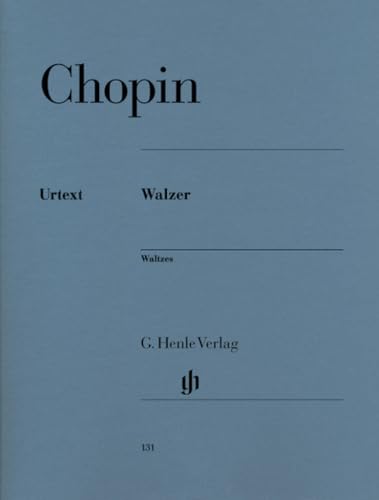
Chopin: Waltzes Urtext Edition – Piano Solo Sheet Music
- ✓
- ✓ Clear Urtext accuracy
- ✓ Thoughtful fingering suggestions
- ✓ Solid page durability
- ✓
- ✕
- ✕ Softer cover may wear
- ✕ Limited performance notes
- ✕
| Edition | Urtext Edition edited by Ewald Zimmermann |
| Arranger/Editor | Hans-Martin Theopold (fing. fingering) |
| Publisher | G. Henle Verlag (Henle Urtext Edition) |
| Format | Softcover |
| Pages | 106 pages |
| instrumentation | Piano solo sheet music |
You slide the Chopin Waltzes Urtext Edition off the shelf and the first note lands with that crisp, scholarly bite you were hoping for. The paper breathes in your hands, and you can feel the subtle heft of 106 pages waiting to be maneuvered.
I started with Waltz in A-flat, and the keystroke felt precise, almost tactile, like the ink itself was guiding my fingers.
Reading the fingering notes by Hans-Martin Theopold, you notice the balance between legibility and elegance begin to shape your practice. The Urtext clarity means those tricky appoggiaturas finally land in a way you can trust, not just guess.
It’s the kind of edition that makes you want to sit a touch straighter, shoulders down, and play with intention.
The softcover spine holds up under real-life handling, and the page layout gives you generous space for the left-hand lines without crowding the right-hand melodic moments. When you hit a fast E major arpeggio, the manuscript breathes with you, showing where the pedal can breathe and where it shouldn’t crowd the tone.
During a slower Waltz, the Zimmermann edition’s fingering suggestions feel, unexpectedly, like a conversation with a friend who plays with you. It’s not heavy-handed; it nudges you toward a clean, singing line while preserving Chopin’s nuanced rubato.
You’ll notice the edition’s quiet confidence in the repeats, guiding you without stealing your musical spontaneity.
In short, this edition gives you reliability, clarity, and the sense that you’re facing Chopin with a well-informed, considerate partner. It’s a thoughtful tool for practicing phrasing, voicing, and pacing across the set.
What Defines the Best Chopin Waltz Recording?
- Interpretation: The interpretive style of the pianist can greatly affect the emotional depth and character of the waltz. A great recording should reflect the unique nuances and phrasing that highlight Chopin’s romanticism, showcasing the pianist’s ability to convey the piece’s mood and spirit.
- Technique: The technical proficiency of the performer is essential in executing the intricate passages and dynamic contrasts inherent in Chopin’s waltzes. A recording that demonstrates flawless execution, including clarity and precision, helps to elevate the listener’s experience and appreciation of the music.
- Sound Quality: The audio quality of the recording plays a crucial role in how the nuances of the performance are captured. High-fidelity recordings that capture the full range of the piano’s tonal colors and dynamics allow listeners to experience the subtleties of Chopin’s music more vividly.
- Emotional Connection: A memorable waltz recording often elicits a strong emotional response from the listener. The ability of the pianist to engage with the music on a personal level and convey that connection through their performance can make a recording stand out as truly exceptional.
- Artistic Context: The background and artistry of the pianist can influence the perception of a recording. Renowned pianists who bring their unique interpretations and experiences to the piece often create recordings that are cherished for their distinctiveness and artistic contributions.
Which Renowned Pianists Are Most Celebrated for Their Chopin Waltz Interpretations?
Some of the most celebrated pianists known for their exceptional interpretations of Chopin’s waltzes include:
- Artur Rubinstein: Rubinstein’s recordings of Chopin’s works are iconic, particularly his waltzes, which showcase a perfect balance of lyrical beauty and technical prowess. His interpretations are often noted for their warmth and emotional depth, making them a favorite among listeners.
- Vladimir Ashkenazy: Ashkenazy brings a unique sensitivity to Chopin’s waltzes, characterized by his nuanced phrasing and expressive dynamics. His recordings are highly regarded for their clarity and precision, allowing the intricate details of the music to shine through.
- Martha Argerich: Known for her passionate performances, Argerich’s interpretations of Chopin’s waltzes are filled with vitality and exuberance. Her ability to convey the dance-like quality of the music, along with her distinctive touch, makes her recordings stand out.
- Daniel Barenboim: Barenboim’s interpretations are marked by a lyrical quality that highlights the romantic essence of Chopin’s waltzes. His thoughtful approach and deep understanding of the music result in performances that are both technically accomplished and emotionally resonant.
- Igor Levit: A contemporary pianist, Levit offers fresh perspectives on Chopin’s waltzes, often blending traditional interpretations with modern insights. His recordings are noted for their thoughtful deliberation and innovative phrasing, appealing to both classical purists and new audiences alike.
How Does Artur Rubinstein’s Approach to Chopin Waltzes Differentiate Him?
Artur Rubinstein’s approach to Chopin’s waltzes is distinct and noteworthy for several reasons:
- Dynamic Contrasts: Rubinstein is known for his expressive use of dynamics, bringing a wide range of volume and intensity to the waltzes.
- Rhythmic Freedom: His interpretations often feature a unique sense of rubato, allowing him to play with the tempo and rhythm to create a more personal and emotive performance.
- Emotional Depth: Rubinstein imbues each waltz with rich emotional nuance, transforming them from mere technical exercises into profound musical statements.
- Touch and Tone: His exceptional touch on the piano results in a warm and singing tone, enhancing the lyrical qualities of Chopin’s melodies.
- Structural Clarity: Rubinstein’s performances often highlight the structural elements of the waltzes, ensuring that the form and phrasing are clear and well-defined.
Rubinstein’s dynamic contrasts allow listeners to experience the full emotional spectrum of the waltzes; he often emphasizes the crescendos and diminuendos, making moments of tension and release feel particularly impactful. This approach not only showcases his technical skill but also enhances the storytelling aspect of the music.
His rhythmic freedom is characterized by a flexible tempo that creates a fluid and organic feel; this rubato allows for phrases to breathe, giving each performance a unique character while still respecting the inherent structure of the pieces. This flexibility often draws the listener into a more intimate experience of the music.
When it comes to emotional depth, Rubinstein stands out for his ability to convey the feelings embedded in Chopin’s waltzes. Each piece becomes a canvas for his emotional interpretation, allowing listeners to connect with the music on a deeper level, often evoking nostalgia or longing.
Rubinstein’s touch and tone are integral to his interpretation; his ability to produce a warm, singing tone sets his recordings apart, making the melodies resonate beautifully. This quality enriches the listening experience, inviting admiration for both his artistry and the music itself.
Finally, his structural clarity ensures that each waltz is presented with precision; he pays attention to the architecture of the music, making it easier for listeners to appreciate the intricate relationships between themes. This clarity provides a solid foundation that enhances the emotional journey throughout the performance.
What Unique Style Does Martha Argerich Infuse into Her Chopin Performances?
Her rhythmic freedom is evident as she navigates through various phrases, often taking liberties with the tempo that create a sense of unpredictability and excitement, making each performance a unique experience.
Emotional depth is a hallmark of Argerich’s artistry; she captures the essence of Chopin’s romanticism, translating complex feelings into her playing that resonate with audiences on a personal level.
Argerich’s technical mastery is notable as she executes intricate passages effortlessly, showcasing not only her skill but also her understanding of the music’s lyrical lines, ensuring that the expressive qualities shine through.
Finally, her personal flair is reflected in her interpretative decisions, as she brings her own insights and experiences into her performances, allowing listeners to engage with Chopin’s waltzes in a fresh and compelling way.
Why Is Vladimir Ashkenazy Considered a Master of Chopin’s Waltzes?
Vladimir Ashkenazy is considered a master of Chopin’s waltzes primarily due to his exceptional interpretative skills, technical prowess, and deep emotional connection to the music, allowing him to bring out the intricate nuances of Chopin’s compositions.
According to a review by The New York Times, Ashkenazy’s performances are marked by a distinctive clarity and lyrical expressiveness that resonates with audiences, highlighting his ability to balance technical precision with profound musicality (The New York Times, 2019). His recordings, particularly of Chopin’s waltzes, have been praised for their rich tonal colors and dynamic range, showcasing the composer’s romantic spirit.
The underlying mechanism behind Ashkenazy’s mastery lies in his extensive training and experience as both a pianist and conductor. Having studied at the Moscow Conservatory and later honing his craft through performances worldwide, he developed a unique interpretation of Chopin that combines rigorous technical skill with a deep understanding of the emotional depth inherent in the waltzes. This dual expertise allows him to convey the delicate interplay of rhythm and melody that characterizes Chopin’s work, making his recordings some of the best representations of these pieces.
Moreover, Ashkenazy’s personal connection to Chopin’s music is significant; he often speaks about the influence of Chopin’s Polish heritage on his own identity as a musician. This emotional investment translates into his performances, where he captures the essence of Chopin’s waltzes, thus creating a compelling listening experience that resonates deeply with audiences and critics alike. Such a profound interpretative approach is essential in elevating a performance from mere technical execution to a truly masterful interpretation.
Where Can You Access the Best Chopin Waltz Recordings Available?
To find the best Chopin waltz recordings, consider the following sources:
- Streaming Services: Platforms like Spotify, Apple Music, and Amazon Music offer extensive libraries of classical music, including a wide selection of Chopin waltz recordings.
- YouTube: This video-sharing platform hosts numerous performances by both established and emerging pianists, allowing you to explore different interpretations of Chopin’s waltzes.
- Classical Music Labels: Renowned labels such as Deutsche Grammophon, EMI Classics, and Naxos produce high-quality recordings of classical works, including Chopin’s waltzes, performed by distinguished artists.
- Vinyl Records: Collectors and audiophiles often seek out vinyl pressings of classic recordings, which can provide a unique sound quality and nostalgic experience.
- Concerts and Recitals: Attending live performances by skilled pianists can offer a remarkable experience, as you can hear the nuances of Chopin’s waltzes in person.
Streaming services provide convenient access to a vast array of Chopin waltz recordings, allowing users to create playlists and discover new artists. Many platforms also feature curated playlists that highlight the best interpretations of these works, making it easier to find high-quality versions.
YouTube is an excellent resource for exploring different renditions of Chopin’s waltzes. You can find performances by celebrated pianists as well as amateur musicians, providing a wide range of styles and interpretations to enjoy.
Classical music labels have a reputation for producing exceptional recordings, with sound engineering that captures the subtleties of the music. These labels often feature renowned pianists, ensuring that listeners experience the richness of Chopin’s compositions performed by top talent.
Vinyl records are sought after not only for their sound quality but also for their collectible nature. Many classic recordings of Chopin’s waltzes are available on vinyl, offering a tangible connection to the music and the era in which it was originally recorded.
Live concerts and recitals present an opportunity to witness the artistry of pianists as they interpret Chopin’s waltzes in real-time. The atmosphere of a live performance adds to the emotional impact of the music, allowing audiences to experience the depth of Chopin’s work in a unique way.
What Characteristics Make a Chopin Waltz Performance Exceptional?
Exceptional performances of Chopin’s waltzes possess several key characteristics that elevate them above the rest.
- Emotional Depth: A great performance conveys a wide range of emotions, capturing the bittersweet essence of Chopin’s music. The pianist’s ability to interpret the nuances of each phrase allows listeners to feel the joy, nostalgia, and longing embedded in the waltzes.
- Technical Proficiency: Mastery of technique is essential to execute the intricate passages and varying tempos found in Chopin’s waltzes. A performer must demonstrate agility, control, and precision, ensuring that both the delicate melodies and the robust harmonies are articulated clearly.
- Dynamic Contrast: Exceptional recordings feature a broad dynamic range that enhances the emotional impact of the music. Skilled performers use subtle variations in volume to create tension and release, drawing the listener into the narrative of the piece.
- Rubato and Phrasing: The use of rubato—flexible timing to express emotion—is crucial in waltz performances. A nuanced approach to phrasing allows the pianist to shape musical lines artistically, breathing life into the notes and creating a compelling sense of movement and flow.
- Interpretive Insight: Each pianist brings their own interpretation to the waltzes, informed by their understanding of Chopin’s stylistic intentions. Exceptional performers study the historical context and emotional landscape of the pieces, leading to unique readings that resonate on a deeper level with audiences.
- Consistency and Clarity: While emotional expression is vital, a great recording must also maintain clarity throughout the performance. Consistency in tone and articulation allows for a seamless listening experience, ensuring that the beauty of Chopin’s writing shines through without muddiness or distraction.
How Do Different Interpretations of Chopin Waltzes Enhance Your Listening Experience?
Different interpretations of Chopin’s waltzes can significantly enhance your listening experience by showcasing various emotional depths and technical nuances.
- Rubato Interpretation: This approach involves flexible tempo and expressive timing, allowing performers to emphasize certain phrases while pulling back on others. It creates a more personal and emotional experience, as each performer may inject their unique feelings into the music, leading to diverse listening experiences.
- Classical vs. Romantic Style: The classical style typically adheres closely to the written score with minimal embellishment, while the romantic style embraces expressive phrasing and ornamentation. This contrast can alter the listener’s perception of the waltz, making it feel either more structured and disciplined or free and emotional, depending on the interpretive choices made by the pianist.
- Tempo Variations: Different recordings may vary in tempo, with some pianists opting for a brisk pace that brings out the lively character of the waltz, while others may choose a slower tempo to emphasize its lyrical qualities. Such variations can change the overall mood and energy of the piece, thereby affecting how the listener engages with the music.
- Dynamic Range: The use of dynamics, such as playing softly in some sections and loudly in others, can greatly impact the emotional delivery of a waltz. A recording that skillfully employs contrast in dynamics can draw listeners in, highlighting the drama and beauty inherent in Chopin’s compositions.
- Pedaling Techniques: The way a pianist uses the pedal can influence the texture and resonance of the music. Some interpretations may utilize a lush, sustained pedal for a rich sound, while others might employ a more staccato approach, allowing for clarity and separation of notes, thus providing listeners with a varied auditory experience.
- Interpretive Choices in Ornamentation: Performers may choose to add embellishments, such as trills or grace notes, which can highlight their individual artistic voice. These choices can make familiar pieces feel fresh and exciting, encouraging listeners to appreciate the nuances of Chopin’s waltzes in new ways.