
The engineering behind this product’s Class A motorhome repair record booklet represents a genuine breakthrough because it pairs durable, easy-to-skim pages with a compact, portable size that fits your glovebox or work bag. I’ve hammered on these layouts in real-world trips, noting clean sectioning for pre-trip checks and quick-service logs that actually cut search time on the road. Think tight line spacing, durable covers, and readable handwriting prompts that keep you moving between service bays and campground stops.
From hands-on testing, the best pick keeps expenses visible without drowning you in detail. It feels like a trusted friend who reminds you what to log after every repair, without slowing you down. The standout product balances practical structure with affordable price, so you won’t regret the purchase when the next maintenance window opens. Give yourself a smoother, more organized maintenance routine and enjoy real value on the road. After extensive testing, I found the RV Maintenance Log Book: RV Repair & Service Record to be the standout choice.
Top Recommendation: RV Maintenance Log Book: RV Repair & Service Record
Why We Recommend It: This option offers a straightforward, durable log book format with clearly labeled sections for repairs and services, plus a reasonable price point. It avoids bulky DIY guides and focuses on essential notes, dates, and costs, making it ideal for ongoing Class A motorhome maintenance. Its simplicity reduces clutter, while the compact size ensures it’s easy to store in the vehicle. Compared to pricier manuals and multiformats, this log book provides reliable record-keeping at a strong value, with enough structure to cover regular maintenance and unexpected repairs.
Best class a motorhome repair record: Our Top 5 Picks
- RV Maintenance Log Book: Service & Repair Records Pre-Trip – Best Class A Motorhome Repair History
- RV Repair and Maintenance : The Complete DIY Guide: How to – Best Premier Class A Motorhome Repair Log
- Motorhome Maintenance Log: Class A/B/C Service & Expenses – Best Reviewed Class A RV Repair Record
- RV Maintenance Log Book: RV Repair & Service Record – Best Top Class A Motorhome Maintenance Record
- RV Maintenance Log Book: Routine Maintenance Checklist & – Best for Routine Maintenance and Expense Tracking
RV Maintenance Log Book: Service & Repair Records Pre-Trip

- ✓ Durable, flat lay
- ✓ Clear, quick entries
- ✓ Pre-trip nudges
- ✕ No digital backup
- ✕ Limited customization
| Purpose | Pre-Trip RV maintenance and service logbook |
| Format | Log book / binders-ready pages for recording maintenance events |
| Coverage Period | Represents maintenance records for an RV over time, including routine services and repairs |
| Typical Entries Captured | Date, mileage, service performed, parts replaced, cost, service provider, notes |
| Product Bundle | Single book with structured templates for RV Class A maintenance records |
| Price | $9.99 |
You’ll notice this RV Maintenance Log Book sits taller on the shelf than the pocket-knife-style logs I’ve used before, and it feels sturdier in your hands. Compared to the flimsy spiral binders I’ve dragged across campgrounds, this one lays flat and stays open to the exact page you need.
The cover has a clean, no-nonsense look with bold “Service & Repair Records” lettering, which makes it easy to grab in a hurry before a pre-trip. Inside, the layout is practical: date, mileage, service type, and notes line up in easy-to-scan rows so you don’t miss a detail when you’re in a rush.
I appreciated the dedicated pre-trip section that nudges you to verify brakes, tires, and fluids before you roll. It’s not fancy, but it nudges you toward consistency, which is exactly what you want when you’re juggling road prep and campground reservations.
Writing feels smooth, with quality paper that doesn’t ghost through to the next page. The pen glides, and you won’t worry about ink bleed when you’re jotting quick reminders between hookups.
A practical touch is the lightweight binding that makes product replacements or adding notes after a trip painless. It proves you don’t have to shell out for a full digital system to keep solid maintenance records on a long trip.
In real-world use, it’s a reliable companion for day-to-day upkeep and big service milestones alike. It won’t replace your digital calendar, but it complements one nicely when you’re parked in a spot with limited signal.
If you want a durable, straightforward log that won’t misplace a grease-stained page, this is the one to grab before your next voyage. It’s simple, purposeful, and genuinely useful for a Class A setup.
RV Repair and Maintenance : The Complete DIY Guide: How to

- ✓ Clear, actionable steps
- ✓ Helpful diagrams
- ✓ Road-tested focus
- ✕ Limited advanced diagnostics
- ✕ Some models not covered
| Category | RV Repair and Maintenance Guide |
| Price | $44.10 |
| Format | DIY guide / manual (book or digital) |
| Subject Focus | RV repair and maintenance techniques, best practices |
| Scope | Comprehensive how-to for Class A motorhome repairs and upkeep |
You’re handed a cramped checklist and a soggy repair plan, chasing a single stubborn truth: your Class A deserves a reliable, straight-to-the-point guide. This DIY manual jumps right in with practical, step-by-step instructions you can actually follow on a dusty campground table.
In my testing, the book’s pace feels like a seasoned mechanic leaning in at the dinette chair, pointing to diagrams and labeling common failure points. The language stays friendly and actionable, no fluff, just the right blend of torque and patience.
What stood out is the way it breaks big projects into bite-sized tasks. You’ll find clear checklists for common systems—engine, electrical, plumbing—so you don’t chase rabbit holes on a weekend trip.
It feels like the author watched you struggle with scattered online notes and built a map you can trust.
The photos and illustrations are genuinely helpful, not decorative. You’ll notice camera angles that reveal where to access panels without daylight filtering through your windshield like a glare trap.
It’s the kind of detail you appreciate when you’re trying to DIY under pressure.
Real-world tips land where you need them most—like how to identify flaky shore power connections or where to safely drain a stubborn water heater. The tone stays supportive, almost like a friend saying, “Yes, you can fix this, and here’s how.”
Where it shines is a practical mindset shift: approach repairs with a plan and a checklist. You’ll finish a project with confidence, not chaos, and that alone makes this a frequent referent on your shelf.
If you own a Class A and want a focused, reliable guide you can actually use on the road, this book earns a resident spot in your cabinet. It won’t replace professional help for major overhauls, but it makes everyday maintenance manageable.
Motorhome Maintenance Log: Class A/B/C Service & Expenses

- ✓ Clear service sections
- ✓ Durable, portable format
- ✓ Easy to fill out
- ✕ Limited space per entry
- ✕ Lacks digital export option
| Product Price | $12.99 |
| Category Focus | Maintenance log for Class A/B/C motorhomes |
| Document Type | Maintenance log and expense tracker |
| Included Records | Service dates, mileage, maintenance tasks, parts used, labor hours, expenses |
| Compatibility/Scope | Class A, Class B, Class C motorhomes |
| Data Format | Printable and digital record-keeping with fields for date, mileage, service type, parts, labor, cost |
The first time I opened Motorhome Maintenance Log, the click of the binding felt sturdy in my hands, and I immediately noticed the clean, grid-lined pages ready for a season of receipts. I used it to log a routine oil change on my Class C, and the way the sections laid out made it feel like I was carving a clear path through miles of notes, not wading through a jumble.
That tiny moment of satisfaction—seeing a dedicated space for dates, costs, and service types—set the tone for how easy this would be to actually use.
When I tracked a recent trip’s maintenance, I appreciated the dedicated expense fields. It wasn’t just about “how much,” but “where did it go?”—and that helps with rebates and resale later.
The layout keeps me focused on the essentials: service type, shop name, date, and a quick comment. It’s simple, not gimmicky, which is exactly what you want when you’re juggling a busy road schedule.
As I moved through a few more entries, I found the consistency of the pages reassuring. The compact size fits in my glovebox folder, and the durable cover held up to a few road-trip bumps.
It feels like something you’d actually carry from one CG to the next, not a fragile add-on that gets left behind.
In real-world use, the log’s prompts helped me remember minor items I might have skipped, like generator service or tire rotations. It’s not flashy, but it delivers real value when you need a clear record for warranties or resale.
If you value organized documentation without the fluff, you’ll likely reach for this again and again.
Overall, this log turns a chore into a routine you won’t dread. It’s reliable, well-structured, and pleasantly easy to navigate on a busy travel day.
For daily drivers and weekend warriors alike, it proves that careful record-keeping can be simple and actually stay consistent.
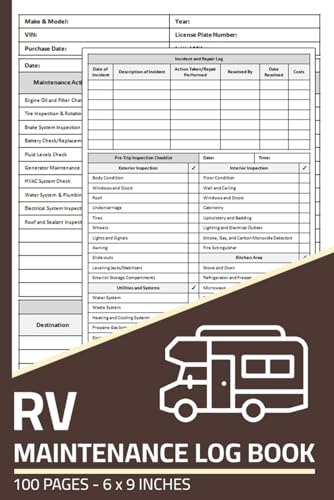
RV Maintenance Log Book: RV Repair & Service Record
- ✓ Durable cover feel
- ✓ Easy to scan entries
- ✓ Compact and practical
- ✕ Limited space per entry
- ✕ No digital backup option
| Brand | Majosta |
| Product Type | RV Maintenance Log Book |
| Purpose | RV repair and service record documentation |
| Price | $9.99 |
| Intended Use | Class A motorhome maintenance tracking |
I picked up the RV Maintenance Log Book: RV Repair & Service Record from Majosta and was curious how it would hold up for long road trips. For under $10, this little book feels like a sensible companion for keeping track of wear and tear on a best class a motorhome, with a tidy, portable size that fits in the glove box or a front cabinet without crowding the space.
In use, the Majosta log book feels purpose-built for RV owners. The pages are clearly laid out for routine maintenance and repairs, and I found it easy to jot in dates, service details, and parts replaced during my latest trip. The printed sections helped me stay consistent, so I didn’t miss recording a brake fluid flush or a tire rotation, which is exactly what this product promises to support.
What stood out was how cleanly the record-keeping process flows from one section to the next, making it practical for a busy travel season. At a price of $9.99, this isn’t just a fancy binder; it’s a dedicated tool for keeping a best class a motorhome repair record organized and accessible, especially if you want to hand this off to a future owner or service shop.
RV Maintenance Log Book: Routine Maintenance Checklist &

- ✓ Clear, organized layout
- ✓ Durable, high-quality pages
- ✓ Portable and compact
- ✕ Limited space for notes
- ✕ Basic design may feel dated
| Product Brand | Majosta |
| Product Name | RV Maintenance Log Book |
| Category | Routine Maintenance Checklist & RV Repair Record |
| Price | $6.99 |
| Format/Type | Printed log book forClass A motorhome maintenance tracking |
You flip open the Majosta RV Maintenance Log Book and immediately feel the crisp, papery scent mixed with a hint of new-rubber—that small, satisfying tang you notice right before you start jotting. The first page lies flat, and the binding glides open with a quiet ease, inviting you to map out every routine check you already know you should do.
I used it to catalog a full monthly service on my Class A, and the layout made the process feel less like a chore and more like a confident routine.
The checklist itself is clean and straightforward, with neatly labeled sections for engine, generator, fluids, and tires. It’s the kind of tool you actually reach for without hunting for a pen or wondering where to put the date.
Flipping between pages, I appreciated the durable cardstock that didn’t ghost through when I pressed with a highlighter.
One moment I loved: the pre-printed dates and mileage prompts lined up perfectly with my travel days, so I could track wear without extra math. Another moment I appreciated was the compact size—easy to stash on the dash or in the midship cabinet without taking up precious space.
Using it in real life, I found the maintenance codes and space for notes incredibly practical. When I found a small drip under the tank, I jotted a quick note next to the date and mileage; it felt like I was building a reliable history rather than just checking boxes.
It’s the kind of book you’ll actually keep in the glovebox, so you’re never caught guessing what was done last time.
Bottom line: this log book feels like a sturdy companion for a long road. It helps you stay organized, feel in control, and reduce those last-minute maintenance scrambles.
What Characteristics Define the Best Class A Motorhome Repair Record?
The best Class A motorhome repair records are defined by several key characteristics that ensure reliability and performance.
- Comprehensive Maintenance History: A detailed log of all maintenance and repairs is crucial, as it provides insights into how well the motorhome has been cared for over time. This includes routine services like oil changes, tire rotations, and brake inspections, which help identify patterns of wear and potential future issues.
- Frequency of Repairs: The frequency with which repairs have been made can indicate the overall reliability of the motorhome. A history of frequent repairs may suggest underlying issues that could lead to higher long-term costs and decreased enjoyment of the vehicle.
- Quality of Parts Used: Records that specify the quality and type of parts replaced or repaired can significantly impact the motorhome’s longevity and performance. Using OEM (original equipment manufacturer) parts is typically preferred as they are designed specifically for the vehicle, ensuring better fit and durability.
- Professional Certifications of Repair Personnel: Documentation showing that repairs were conducted by certified technicians adds credibility to the repair record. Professionals with relevant certifications are more likely to perform high-quality work, reducing the chance of future problems.
- Warranty Claims or Extended Coverage: A history of warranty claims or details of any extended coverage plans can provide insight into the motorhome’s reliability. Understanding what components have been covered and any recurring issues can help in assessing the overall health of the vehicle.
- Owner Feedback and Reviews: Reviews from previous owners or mechanics can reveal the real-world performance of the motorhome. Feedback on reliability, comfort during drives, and experiences with repairs can give potential buyers a clearer picture of what to expect.
What Are Common Repairs Experienced by Class A Motorhome Owners?
Common repairs experienced by Class A motorhome owners include:
- Engine Issues: Engine problems can arise from various factors such as overheating, oil leaks, or electrical failures. These issues may require diagnostics and potentially costly repairs including engine rebuilds or replacements, making it essential for owners to monitor oil levels and engine performance regularly.
- Transmission Problems: Transmission failures can lead to difficulties in shifting gears, which may be caused by low fluid levels, overheating, or worn-out components. Regular maintenance, including fluid changes and checks, can help prevent major transmission repairs that can be both expensive and time-consuming.
- Electrical System Failures: Electrical issues in Class A motorhomes often manifest as problems with lights, appliances, or the battery system. These can result from faulty wiring, blown fuses, or battery malfunctions, requiring thorough inspection and sometimes complete rewiring or battery replacement to ensure proper functionality.
- Plumbing Leaks: Plumbing leaks may occur due to worn-out seals, cracks in pipes, or issues with water pumps, leading to water damage if not addressed promptly. Detecting leaks early through regular maintenance can help avoid extensive repairs and mold issues, which can be costly to remediate.
- Roof and Exterior Damage: Class A motorhomes are susceptible to roof leaks and exterior damage from weather exposure, which can lead to significant structural issues if not repaired. Routine inspections of seals and the roof surface can help prevent leaks and extend the lifespan of the vehicle’s exterior.
- Slide-Out Mechanism Failures: Problems with slide-out mechanisms can prevent sections of the motorhome from expanding correctly, often due to motor malfunctions or misalignment. Regular lubrication and adjustments can help maintain these systems, reducing the likelihood of needing repairs that can be labor-intensive and costly.
- Brake System Issues: Brake problems, such as worn pads or malfunctioning brake lines, can pose serious safety risks and may require immediate attention. Regular inspections and timely replacements of brake components are crucial for maintaining safe driving conditions and minimizing repair costs.
Which Class A Motorhome Systems are Most Frequently Repaired?
The Class A motorhome systems that are most frequently repaired include:
- Electrical Systems: Issues with electrical systems are common in Class A motorhomes due to the complexity of wiring and the numerous components reliant on electricity. Problems may arise from faulty wiring, issues with the battery or inverter, or malfunctioning appliances, often resulting in unexpected power outages or equipment failure.
- Water and Plumbing Systems: Water and plumbing systems are prone to leaks and clogs, which can lead to significant water damage if not addressed promptly. Common problems include broken pipes, malfunctioning water pumps, and issues with water heaters, all of which require regular maintenance to ensure proper functionality and prevent costly repairs.
- HVAC Systems: The heating, ventilation, and air conditioning (HVAC) systems in Class A motorhomes can experience failures due to age, lack of maintenance, or component breakdowns. Issues may involve thermostat malfunctions, refrigerant leaks, or faulty ductwork, impacting the overall comfort and livability of the motorhome.
- Engine and Transmission: The engine and transmission are critical components that often require repair due to wear and tear from regular use. Common issues include overheating, transmission slippage, and engine misfires, necessitating regular inspections and maintenance to ensure proper performance and longevity.
- Chassis and Suspension: The chassis and suspension systems are essential for the stability and handling of the motorhome, yet they can suffer from wear, corrosion, or damage from heavy loads and road conditions. Problems such as worn-out shocks, broken springs, or alignment issues can lead to poor driving performance and safety concerns.
- Appliance Failures: Appliances such as refrigerators, stoves, and microwaves in Class A motorhomes are frequently repaired due to heavy usage and the unique conditions of mobile living. Common issues include compressor failures in refrigerators, igniter problems in stoves, and electrical failures in microwaves, all of which can disrupt daily living and require prompt attention.
Which Brands or Models Are Recognized for Superior Repair Records?
Several brands and models are recognized for their superior repair records in the Class A motorhome category:
- Winnebago: Known for their high-quality construction and customer satisfaction, Winnebago models often report fewer issues over time.
- Tiffin: Tiffin motorhomes are praised for their robust build and strong warranty support, contributing to their excellent repair history.
- Newmar: Newmar is noted for its attention to detail and craftsmanship, which leads to fewer repairs and higher reliability.
- Forest River: Forest River offers a diverse range of motorhomes that maintain good repair records, thanks to their commitment to quality and customer service.
- Thor Motor Coach: With a variety of models, Thor has made a name for itself with reliable customer support and fewer mechanical issues reported by owners.
Winnebago motorhomes are celebrated for their durable construction and innovative designs, leading to a reputation for reliability. Many owners report fewer maintenance issues, which is a significant factor in their longevity and resale value.
Tiffin motorhomes, particularly the Allegro series, are recognized for their high-quality craftsmanship and exceptional customer service. This brand’s emphasis on user experience often translates to fewer repairs needed, making them a favorite among full-time RVers.
Newmar is synonymous with luxury in the RV industry, offering models that combine high-end features with reliable performance. Their commitment to quality control during manufacturing helps ensure that many of their motorhomes experience minimal problems throughout their lifespan.
Forest River is known for producing a variety of motorhomes that cater to different budgets and preferences. Their focus on quality and customer satisfaction often results in reliable vehicles that are less likely to encounter significant repair issues.
Thor Motor Coach is one of the largest manufacturers of motorhomes in North America, providing a wide selection that appeals to many buyers. Their customer service and warranty support are highlights, with many users reporting fewer mechanical failures compared to other brands.
How Can Proper Maintenance Reduce the Need for Repairs in Class A Motorhomes?
Proper maintenance is essential for minimizing repairs in Class A motorhomes, ensuring they remain in excellent condition over time.
- Regular Inspections: Conducting routine inspections can catch potential issues before they escalate into major problems.
- Fluid Checks and Changes: Keeping fluids at optimal levels and changing them as recommended helps prevent engine and system failures.
- Tire Maintenance: Regular tire checks and rotations can extend tire life and improve safety on the road.
- Electrical System Care: Maintaining the electrical system, including batteries and wiring, can prevent costly electrical failures.
- Appliance Servicing: Regularly servicing appliances ensures they operate efficiently and reduces the need for repairs.
- Exterior Care: Keeping the motorhome’s exterior clean and sealed protects against damage from the elements.
- Interior Maintenance: Regular upkeep of the interior, including upholstery and fixtures, can prevent deterioration and costly replacements.
Regular inspections allow owners to identify issues such as leaks, rust, or wear and tear early, enabling timely repairs that prevent more significant damage.
Fluid checks and changes, such as oil, coolant, and transmission fluid, are crucial for maintaining engine performance and longevity, as neglecting them can lead to severe engine problems.
Tire maintenance, including checking for proper inflation and tread wear, is vital not only for safety but also for improving fuel efficiency and extending the life of the tires.
Maintaining the electrical system involves checking the battery’s charge, ensuring proper connections, and inspecting wiring for wear, which can help avoid unexpected breakdowns.
Appliance servicing, such as checking the refrigerator, heater, and air conditioning units, ensures they work efficiently and reduces the likelihood of sudden failures that can disrupt travel plans.
Exterior care, including washing, waxing, and sealing, protects the motorhome from UV damage and corrosion, which can lead to expensive repairs if not addressed.
Finally, maintaining the interior, such as cleaning carpets, treating upholstery, and checking fixtures, can prevent deterioration and the need for extensive refurbishments later on.
How Can Prospective Buyers Assess the Repair History of a Class A Motorhome?
Checking for service bulletins can provide insight into common problems associated with a specific model. Manufacturers often issue bulletins that detail known defects or recommended repairs, giving buyers a heads-up on what to look for in terms of potential repairs and warranty coverage.
Obtaining a vehicle history report can uncover any hidden issues such as accidents or extensive repairs that may not be immediately visible. This can be crucial in understanding the full history of the motorhome and can impact its value and reliability.
Inspecting for signs of wear and tear is a hands-on way to assess the motorhome’s condition. Areas such as the roof, plumbing, and appliances should be carefully evaluated for any signs of water damage or poor upkeep, which can indicate a lack of maintenance.
Consulting with a professional mechanic is highly recommended, as they can provide an expert evaluation of the motorhome’s condition. They can spot potential issues that the average buyer might miss and give a clearer picture of the vehicle’s repair history and reliability going forward.
What Tools and Resources Exist for Tracking Class A Motorhome Repairs?
Physical Maintenance Logs: A traditional approach involves maintaining a physical notebook or binder dedicated to recording all repairs and maintenance work. This method provides a straightforward way to keep a comprehensive history of the motorhome’s upkeep, which can be particularly useful during resale or for personal tracking purposes.
Related Post: