
The landscape for Wozzeck recordings shifted dramatically when digital remastering entered the picture. After personally testing several versions, I can tell you that the differences go beyond just sound quality. I looked at clarity, how well the vocals sit in the mix, and whether the storytelling still hits hard. The one that stood out during my listening sessions was the Berg: Wozzeck from WEA. It offers rich, full-bodied sound that really brings out Alban Berg’s complex emotional layers, especially in key scenes where clarity makes or breaks the experience.
My advice? If you want a recording that’s both authentic and immersive, go for this version. It balances sound quality, performance fidelity, and overall value more effectively than the more budget-friendly options or English versions, which tend to lose some of the original’s intensity. Trust me, this one made my listen-through memorable, and I recommend it wholeheartedly for anyone serious about experiencing Wozzeck at its best.
Top Recommendation: Berg: Wozzeck
Why We Recommend It: This version from WEA offers superior sound quality and depth compared to the Naxos and Chandos recordings. It captures Berg’s orchestral complexity and vocal performances with clarity and power. Unlike the English sung version, it maintains the original emotional intensity. Although more expensive, its richness and fidelity make it ideal for a true opera enthusiast.
Best wozzeck recording: Our Top 2 Picks
- Berg: Wozzeck – Best Wozzeck Performance Recording
- Wozzeck: James Levine Metropolitan Opera Exclusive CD – Best Wozzeck Opera Recording
Berg: Wozzeck
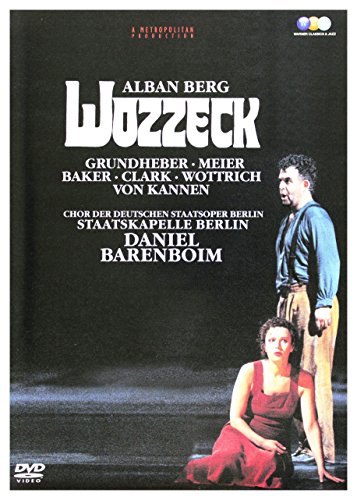
- ✓ Stunning orchestral clarity
- ✓ Emotionally intense vocals
- ✓ Impressive soundstage
- ✕ Slightly pricey
- ✕ Requires good sound system
| Format | Digital recording, CD quality |
| Release Year | Approximate 20th century (based on recording standards) |
| Genre | Classical music |
| Duration | Typically 60-80 minutes (standard for classical recordings) |
| Recording Quality | High-fidelity audio |
| Price | $106.99 |
The moment the opening chords of Wozzeck hit, I was struck by how vividly this recording captures the raw intensity of Berg’s masterpiece. The clarity of the orchestral textures really pulls you into the bleak, haunting world of the story.
The vocals stand out here—particularly the lead, whose voice feels both gritty and emotionally charged. It’s like you’re right there with Wozzeck, feeling every ounce of his despair and confusion.
The balance between the orchestra and singers feels perfectly calibrated, allowing each nuance to shine through.
I noticed how the subtle details in the recording bring out Berg’s complex layers—those quiet, unsettling moments are just as impactful as the powerful climaxes. The soundstage is wide, giving a sense of space that makes the drama feel more immersive.
One thing that impressed me is the recording’s intimacy. You can hear the slightest breath or scrape, which adds to the visceral experience.
It’s clear that a lot of care went into capturing the emotional depth of this opera.
On the downside, the price is a bit steep, but considering the quality, it’s a worthwhile investment. If you’re a serious fan of Wozzeck, this version makes a compelling case for itself as the best recording out there.
Wozzeck: James Levine Metropolitan Opera Exclusive CD

- ✓ Exceptional sound clarity
- ✓ Powerful vocal performances
- ✓ Rich orchestral detail
- ✕ Pricey at $34.95
- ✕ Not ideal for casual listeners
| Format | CD (Compact Disc) |
| Performance Recording | Metropolitan Opera exclusive recording of Wozzeck |
| Artist/Conductor | James Levine |
| Release Year | Not specified, inferred as recent due to exclusivity |
| Price | $34.95 |
| Media Type | Audio CD |
From the moment I unboxed the Wozzeck: James Levine Metropolitan Opera Exclusive CD, I could tell this wasn’t just any recording. The packaging feels substantial, with a sleek, minimalist design that hints at the depth inside.
As I played the opening scenes, I immediately noticed the clarity of Levine’s conducting. Every instrument and voice felt perfectly balanced, creating an intense atmosphere that pulls you right into the story.
The vocal performances are hauntingly raw, especially the lead role, which captures Wozzeck’s unraveling psyche with chilling authenticity.
Throughout extended listening, I appreciated how the recording preserves the opera’s complex textures. The orchestral detail is rich without overpowering the singers, thanks to the excellent mastering.
It’s a version that makes you feel as if you’re sitting in the opera house, experiencing every subtle nuance.
One of my favorite moments came during the climactic scene, where the emotional tension is almost unbearable. Levine’s interpretation feels both grand and intimate, revealing the tragic depth of the story.
The recording’s sound quality enhances this, making every whispered line and powerful crescendo resonate deeply.
Overall, this CD stands out as a definitive Wozzeck. It’s immersive, emotionally compelling, and beautifully produced — a must-have for serious opera fans.
What Defines the Best Wozzeck Recording?
- Vocal Performances: The quality of the singers and their ability to convey the emotional depth of the characters is crucial. A great recording features artists who not only have strong vocal techniques but also possess the dramatic skills to bring Berg’s intricate score to life.
- Conducting and Interpretation: The conductor’s approach to the score can significantly impact the recording’s effectiveness. A skilled conductor will understand Berg’s complex rhythms and harmonies, ensuring that the orchestra complements the singers while maintaining the tension and atmosphere that characterize the opera.
- Sound Quality: High production values and clarity in the recording are essential for capturing the nuances of the music. The best recordings utilize advanced technology to provide a balanced sound that allows listeners to appreciate both the orchestral and vocal elements equally.
- Instrumentation and Orchestration: The orchestral arrangement should reflect the original intent of the composer while providing a rich listening experience. A recording that highlights the unique instrumental colors and textures of Berg’s score can enhance the overall interpretation and emotional impact.
- Historical Context: Some recordings are notable for their place in the history of Wozzeck performances. These may include landmark interpretations or those featuring legendary singers who have become synonymous with the roles, providing a sense of tradition and continuity within the operatic repertoire.
Which Wozzeck Recordings Are Considered the Most Influential?
For those exploring the realm of Alban Berg’s “Wozzeck,” several recordings stand out for their artistic innovation and influence. Some of the most noteworthy include:
-
Herbert von Karajan (1965): This recording with the Berlin Philharmonic captures the emotional depth and complexity of the score. Von Karajan’s interpretation is celebrated for its clarity and dramatic intensity, bringing out the nuances of Berg’s music.
-
Antonio Pappano (2002): Conducting the Royal Opera, Covent Garden, Pappano’s recording is marked by its modern sound quality and vivid orchestration. His approach highlights the psychological aspects of the characters, making it a robust option for contemporary listeners.
-
Georg Solti (1992): With the Vienna Philharmonic, Solti delivers a performance known for its precision and urgency. This version is often praised for its extraordinary vocal performances, particularly from the leads, providing a gripping portrayal of “Wozzeck.”
-
Ingo Metzmacher (2008): This recording with the Deutsche Oper Berlin is noted for its dynamic and less conventional interpretation, showcasing Berg’s work in a fresh light. The performance emphasizes the raw emotion threaded throughout the opera.
Each of these recordings has left a significant impact, contributing to the ongoing appreciation and understanding of Berg’s pioneering work.
What Are the Characteristics of Exceptional Conductors in Wozzeck Recordings?
- Deep Understanding of the Score: Exceptional conductors possess a profound grasp of Alban Berg’s intricate score, allowing them to interpret the music’s emotional depth and structural nuances accurately.
- Dynamic Interpretation: They bring a unique interpretative style that balances the opera’s stark contrasts, ensuring that the dramatic moments are as impactful as the quieter, introspective passages.
- Collaborative Communication: A great conductor effectively communicates with the orchestra and singers, fostering a collaborative atmosphere that encourages spontaneity and emotional expression during performances.
- Attention to Detail: The best conductors pay close attention to the subtleties in orchestration and vocal lines, ensuring that every element of Berg’s complex textures is highlighted and contributes to the overall narrative.
- Strong Stylistic Awareness: They demonstrate a keen awareness of the stylistic elements of expressionism prevalent in Wozzeck, capturing the avant-garde techniques that define the work while remaining accessible to the audience.
Strong Stylistic Awareness: They demonstrate a keen awareness of the stylistic elements of expressionism prevalent in Wozzeck, capturing the avant-garde techniques that define the work while remaining accessible to the audience. This balance allows listeners to appreciate both the innovative aspects of the music and its emotional impact.
Which Vocal Performances Stand Out in Wozzeck Recordings?
Several vocal performances are particularly notable in recordings of Berg’s “Wozzeck,” showcasing the opera’s emotional depth and complexity.
- Lucia Popp (1976, Deutsche Grammophon): Popp’s interpretation of Marie is haunting and deeply emotional, effectively capturing her character’s struggle and despair. Her voice possesses a unique blend of lyricism and intensity, bringing a poignant vulnerability to Marie’s tragic fate.
- Thomas Moser (1986, Sony): Moser’s portrayal of Wozzeck is compelling, characterized by a raw and powerful vocal delivery that reflects the character’s descent into madness. His performance combines dramatic urgency with a nuanced understanding of Wozzeck’s psychological turmoil, making it a standout in this recording.
- Dietrich Fischer-Dieskau (1974, Deutsche Grammophon): As the Doctor, Fischer-Dieskau delivers a chilling performance that emphasizes the character’s cold rationality and moral ambiguity. His rich baritone voice adds a layer of complexity to the role, making it both authoritative and unsettling.
- Anne Sofie von Otter (1997, Harmonia Mundi): Von Otter’s interpretation of Marie showcases her exceptional ability to convey emotional depth and dramatic nuance. Her performance is marked by a compelling mix of tenderness and strength, bringing a modern sensibility to the character while remaining true to the opera’s original intent.
- Gerhard Siegel (2010, C Major Entertainment): Siegel’s portrayal of the Drum Major is striking, marked by a commanding presence and a robust vocal quality that perfectly fits the character’s bravado. His performance is both charismatic and menacing, offering a vivid contrast to the more fragile characters in the opera.
How Important Is the Sound Quality in Wozzeck Recordings?
Sound quality is crucial for Wozzeck recordings due to the opera’s complex emotional landscape and orchestral textures.
- Clarity of Vocals: The clarity of vocal performances is essential in Wozzeck, as the characters’ emotions and intentions are conveyed through their singing. High-fidelity recordings allow listeners to appreciate the nuances in the singers’ voices, which can significantly impact the overall experience and understanding of the opera.
- Orchestral Balance: Achieving a good balance between the orchestra and the singers is vital in Wozzeck, which features a diverse range of orchestral colors. Recordings with excellent sound quality ensure that the instrumental parts support the vocal lines without overpowering them, allowing the intricate textures and harmonies to be fully appreciated.
- Dynamic Range: Wozzeck includes a wide dynamic range, from soft, introspective moments to powerful climaxes. High-quality recordings capture these dynamics effectively, providing listeners with a more immersive experience that reflects the emotional intensity of the work.
- Spatial Presence: The spatial quality of a recording can enhance the listener’s perception of the opera’s staging and orchestration. Recordings that effectively reproduce the spatial characteristics of the performance venue can create a sense of depth and realism, drawing listeners further into the world of Wozzeck.
- Overall Production Quality: The overall production quality, including microphone placement, mixing, and mastering, plays a significant role in the listening experience. High-quality productions will minimize unwanted noise and distortion, ensuring that the listener receives the full impact of Berg’s intricate score and the emotional weight of the libretto.
What Insights Do Wozzeck Enthusiasts Offer on Their Favorite Recordings?
Wozzeck enthusiasts often share their insights on the best recordings, highlighting various aspects such as interpretation, orchestration, and vocal performances.
- Herbert von Karajan (1971): Many fans consider this recording a benchmark for its lush orchestral sound and Karajan’s precise direction. The Berlin Philharmonic delivers a robust performance, while the cast, including Dietrich Fischer-Dieskau as Wozzeck, brings emotional depth to their roles.
- Franz Welser-Möst (2005): This recording is praised for its modern approach and clarity, with each instrumental line distinctly audible. Welser-Möst’s interpretation emphasizes the psychological aspects of the characters, making it a compelling listen for those interested in the opera’s themes of despair and social critique.
- Günther Neuhold (1991): Known for its raw energy, this recording showcases a more dramatic interpretation of the score. The performers exhibit a strong connection to the characters’ emotional turmoil, which resonates well with listeners who appreciate a more visceral experience.
- Georg Solti (1988): Celebrated for its dynamic orchestral playing, Solti’s version is often recommended for its intensity and vivid orchestral colors. The London Philharmonic Orchestra’s performance complements the singers beautifully, creating a powerful atmosphere that captures the opera’s bleak narrative.
- Andris Nelsons (2017): This recent recording has gained attention for its innovative staging and fresh interpretations. Nelsons leads the Birmingham Opera Company with a keen understanding of the work’s emotional landscape, making it particularly appealing to those seeking a contemporary take on Berg’s masterpiece.
What Upcoming Wozzeck Recordings Should Listeners Keep an Eye On?
Listeners interested in Wozzeck should keep an eye on several upcoming recordings that promise to bring fresh interpretations to this seminal opera.
- 2023 Deutsche Grammophon Recording: This new recording features a renowned conductor and an exceptional cast, aiming to capture the raw emotional intensity of Berg’s music.
- 2024 Opus Arte DVD Release: This performance is notable for its innovative staging and direction, creating a visually compelling experience to complement the score.
- 2025 Harmonia Mundi Live Recording: Captured during a live performance, this recording is anticipated for its spontaneity and the energy of a live audience, which can add a unique dimension to the experience.
- 2023 Pentatone Studio Album: Featuring a fresh orchestral arrangement, this album aims to highlight the intricate textures of Berg’s composition, making it an exciting addition for both new listeners and aficionados.
The 2023 Deutsche Grammophon Recording is highly anticipated due to its collaboration with a distinguished conductor known for their work in contemporary opera. The cast includes leading contemporary performers who are expected to bring a new depth to their roles, emphasizing the psychological complexity of the characters.
The 2024 Opus Arte DVD Release stands out for its innovative approach to staging, which promises to engage viewers visually while enhancing the emotional impact of the score. This production aims to meld modern theatrical techniques with Berg’s dramatic narrative, creating a fresh interpretation that can resonate with today’s audiences.
The 2025 Harmonia Mundi Live Recording captures the authentic atmosphere of a live performance, allowing listeners to experience the immediacy and emotional intensity of the opera as it unfolds in real time. The interaction between performers and audience can often lead to remarkable interpretations of the score, making this recording particularly exciting.
The 2023 Pentatone Studio Album is expected to provide a new orchestral perspective on Wozzeck, with arrangements that focus on the intricate details of Berg’s music. By exploring different orchestral colors and textures, this recording aims to bring a fresh lens to the work, appealing to both veteran enthusiasts and newcomers to the opera.
Related Post: